The Strait of Hormuz: A Powder Keg on the Brink? Iran's Ultimatum and the Naval Blockade Debate
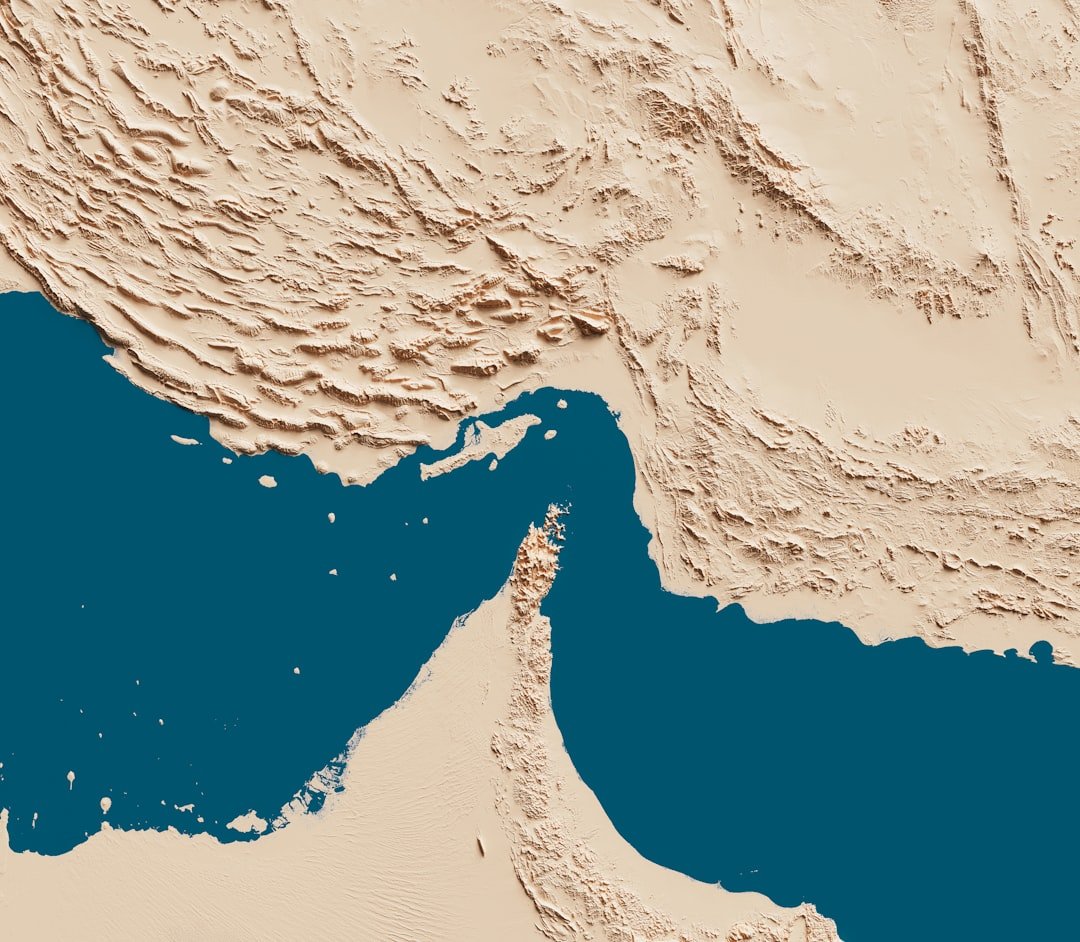
The Strait of Hormuz, a narrow maritime chokepoint connecting the Persian Gulf to the open ocean, has once again become the epicenter of escalating geopolitical tensions. Recent developments, including a stark warning from Iran to U.S. warships and former President Trump's proposal for a naval blockade, signal a dangerous intensification of the long-standing standoff in one of the world's most critical waterways. The stakes are immense, threatening not only regional stability but also global energy markets and international trade.
Iran's "Last Warning": A Direct Challenge
In a move that reverberated across international headlines, Iran issued a chilling declaration: "This is the last warning." The threat, reportedly directed at U.S. warships, follows an implied gauntlet thrown down by the U.S. for a "winner-take-all" scenario in the Strait. This aggressive rhetoric underscores Iran's determination to assert its sovereignty and control over the strategic passage, which it views as integral to its national security and economic lifeline. For Tehran, maintaining a strong hand in the Strait is a direct response to international sanctions and perceived external pressures, framing any confrontation as an existential defense of its interests.
Trump's "Out-Blockade Iran" Proposal: A High-Stakes Strategy
Adding another layer of volatility to the situation, former President Donald Trump publicly floated the idea of an "Out-blockade Iran" strategy. This proposal emerged in the aftermath of what were described as failed talks in Islamabad, suggesting a renewed hardline approach to Iranian policy. A naval blockade, while a potent economic weapon, is widely considered an act of war under international law. Such a move would aim to sever Iran's ability to export oil and other goods, thereby crippling its economy. However, it also carries the immense risk of direct military confrontation, potentially igniting a wider conflict that no party truly desires.
The Geopolitical Chessboard: Players and Stakes
The Strait of Hormuz is more than just a shipping lane; it's a vital artery for global energy. Approximately 20% of the world's petroleum and 25% of its liquefied natural gas (LNG) transit through this 21-mile wide channel daily. For the United States and its allies, ensuring freedom of navigation is paramount, both for economic security and to project influence in a volatile region. For Iran, the Strait represents its primary access to global markets and a potent leverage point against its adversaries. Regional players like Saudi Arabia and the United Arab Emirates, major oil exporters, are directly exposed to any disruption, making them crucial stakeholders in the unfolding drama. The principle of international law and freedom of navigation stands in direct tension with Iran's assertion of control, setting the stage for a complex diplomatic and military challenge.
Economic Fallout: More Than Just Oil Prices
A significant disruption or closure of the Strait of Hormuz would trigger an immediate and catastrophic global economic crisis. Oil prices would skyrocket, impacting everything from transportation costs to manufacturing. Beyond energy, the flow of goods would be severely hampered, leading to supply chain chaos, inflation, and potentially a global recession. Shipping insurance rates would soar, making transit prohibitively expensive even if routes remained open. The ripple effects would be felt in every corner of the world, highlighting the interconnectedness of the global economy and the disproportionate impact a regional conflict can have.
The Military Realities: What a Conflict Could Look Like
Should the situation escalate to military conflict, both the U.S. and Iran possess formidable, albeit different, capabilities. The U.S. Navy operates advanced warships, aircraft carriers, and air power, capable of projecting immense force. However, Iran has honed an asymmetric warfare strategy, leveraging its Revolutionary Guard Corps (IRGC) naval forces, fast attack craft, anti-ship missiles, coastal batteries, and an extensive network of sea mines. Its ability to harass shipping, launch swarm attacks, and potentially close the Strait through mining operations presents a significant challenge even to a superior naval force. The confined geography of the Strait makes it a difficult environment for conventional naval operations and increases the risk of miscalculation.
The Path Forward: Diplomacy or Deterrence?
The current trajectory demands a delicate balance between deterrence and de-escalation. International efforts will likely focus on preventing any direct military engagement while seeking diplomatic avenues to address Iran's grievances and curb its more aggressive postures. The challenge lies in finding a solution that respects Iran's sovereign rights while upholding the critical principle of freedom of navigation for all nations. Sustained international pressure, coupled with credible military deterrence, may be the only way to navigate this treacherous path without triggering a wider conflagration.
The Strait of Hormuz remains a flashpoint where global economic stability intersects with regional power struggles. As Iran issues its sternest warnings and proposals for blockades emerge, the world watches with bated breath, understanding that any misstep in this narrow waterway could have profound and irreversible consequences for the global order.