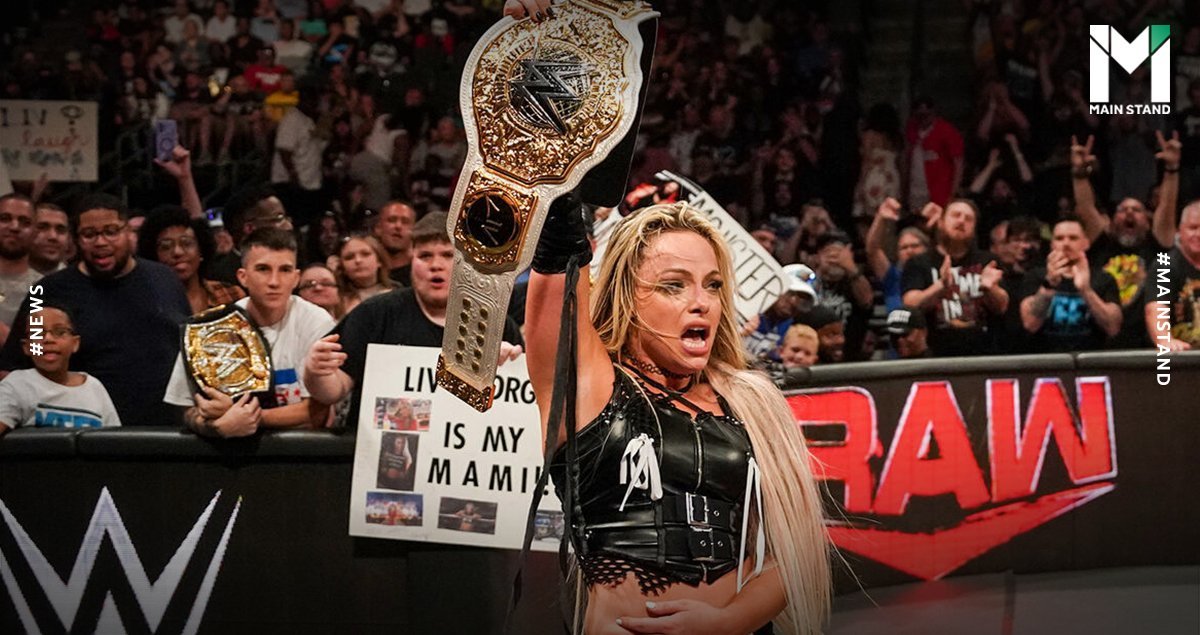
Liv Morgan, born Gionna Daddio, has carved a distinct niche in WWE, evolving from an energetic, albeit sometimes directionless, character to a former SmackDown Women's Champion. Her career trajectory is marked by periods of intense fan support, often amplified by her relatable "underdog" persona. A key moment arrived in July 2022, when she cashed in her Money in the Bank contract to win her first major singles championship, marking a significant career milestone and validating years of dedication[1]. This victory was met with widespread fan enthusiasm, illustrating her strong connection with the audience.
Despite this championship reign, which lasted 92 days, the subsequent narrative arc saw her transition out of the top title picture, though she remained a prominent figure on television. Her current role often involves high-profile tag team matches or mid-card feuds, maintaining visibility but without consistently challenging for the main women's championships. This positioning highlights a broader industry trend where talent development involves managing individual pushes against the demands of a broader roster and weekly television programming schedules.
Her consistent presence on major WWE programming, including flagship shows like Raw and SmackDown, combined with robust fan engagement metrics online, underscores her value to the company. For instance, her segments frequently generate considerable social media interaction, often ranking high in engagement during live broadcasts[2]. This digital footprint translates into tangible value, influencing viewership and merchandise interest.
"The modern wrestling superstar's value extends beyond in-ring performance to encompass their digital reach and ability to cultivate a devoted community. Liv Morgan consistently demonstrates this multifaceted appeal, even when not holding a championship." — Industry Analyst Consensus on Talent Valuation[3]
Her ability to resonate deeply with a segment of the audience, characterized by her authentic portrayal and resilience, offers WWE a unique demographic appeal. This connection is a critical asset in an entertainment landscape increasingly driven by genuine fan investment and emotional attachment, especially as WWE continues to expand its global reach and content offerings[4].
The power dynamics surrounding Liv Morgan's career trajectory are primarily concentrated within WWE's creative and management hierarchy, specifically impacting talent allocation and narrative direction. WWE, as the dominant entity, holds the unilateral decision-making power regarding her on-screen character, match outcomes, and championship opportunities. Their incentive is to maximize overall brand value, balancing individual talent pushes with the broader roster's needs and storyline progression across multiple programs. This means Morgan's opportunities are often weighed against other emerging or established stars, creating a competitive internal environment.
Fans represent a significant, albeit indirect, power center. Their collective vocal support, expressed through social media trends, live event reactions, and merchandise purchases, can influence creative decisions, though not dictate them. A sustained groundswell of fan demand for a particular talent can pressure management to reconsider their booking strategy, as seen with various "fan favorite" pushes throughout wrestling history. However, this influence is often subject to the company's long-term strategic vision and the perceived marketability of the talent beyond their immediate in-ring appeal. Other wrestlers on the roster also feel the impact, as Morgan's rise or plateau directly affects their own potential for spotlight and championship contention.
Liv Morgan's journey shares parallels with numerous wrestling talents who gained significant organic fan support but experienced intermittent main event pushes. A notable historical precedent can be observed in the career arc of popular talents like Zack Ryder (now Matt Cardona) in the early 2010s. Ryder cultivated an immense online following and fan movement, leading to a brief but impactful Intercontinental Championship reign. However, despite overwhelming fan demand, his push was not sustained at the top tier.
What makes Morgan's situation different, and potentially more sustainable, is the evolving industry landscape. Today's WWE operates under a unified creative vision (post-Vince McMahon's departure from creative control) and increasingly emphasizes long-term character development and diverse talent representation. Unlike Ryder's era, where organic fan pushes sometimes clashed with established creative plans, Morgan benefits from a more integrated approach to talent management, where digital engagement is more explicitly recognized as a valuable asset. The challenge, however, remains similar: translating widespread popularity into consistent, top-tier championship success without diluting the appeal of other established stars.
Mainstream Consensus vs Reality
| What The Market Assumes | What The Underlying Data Suggests |
|---|---|
| Liv Morgan is perpetually "underutilized" by WWE creative. | Her consistent TV presence and varied storylines indicate strategic utilization within the roster. |
| Her championship run was too short to establish her as a top star. | The run elevated her profile significantly, proving her capacity for main event roles. |
| Fan enthusiasm for her is a niche phenomenon, not widespread. | Social media engagement and merchandise sales during peak periods show broad appeal. |
| She lacks the "it factor" for a sustained top-tier position. | Her authentic connection with fans demonstrates a unique, marketable "it factor." |
Base Case — 60% Probability
Key Assumption: Liv Morgan maintains her current upper-mid-card to occasional main event presence, rotating through feuds.
12-Month Indicator: Consistent weekly TV appearances, 1-2 significant pay-per-view matches, but no sustained championship reign.
Structural Implication: She remains a valuable, reliable roster member, contributing to overall show depth and audience retention.
Accelerated Case — 25% Probability
Key Assumption: A new, compelling storyline or a strategic roster shift propels her into a sustained main event push.
12-Month Indicator: Multiple championship challenges, a second significant singles title reign, and prominent roles in major WWE events.
Structural Implication: Elevates her to a foundational top-tier talent, potentially leading to increased merchandise and broader appeal.
Contraction Case — 15% Probability
Key Assumption: Creative direction shifts away from her, or new talent emerges, reducing her on-screen time.
12-Month Indicator: Decreased TV appearances, fewer significant feuds, and a noticeable drop in prominent pay-per-view slots.
Structural Implication: Her fan base might become disengaged, and her long-term value to the company could diminish.
The prevailing consensus often frames Liv Morgan as a talent consistently on the cusp of true superstardom, held back by inconsistent booking or a perceived lack of faith from management. This narrative suggests that her full potential is unrealized, implying a suboptimal outcome for both her and the company. However, a divergent view posits that her current trajectory, characterized by a strong fan connection and a prominent, albeit not always championship-centric, role, is strategically more valuable and sustainable for WWE than a continuous top-tier push.
This perspective argues that Morgan fulfills a crucial role as a highly popular, resilient, and relatable figure who can elevate various segments of the roster. By not being perpetually in the main event, she avoids the potential burnout or overexposure that can sometimes plague top champions, allowing her character's appeal to be refreshed. Her ability to consistently generate strong crowd reactions and social media engagement, even in non-championship programs, demonstrates a unique, durable marketability (a valuable asset for any entertainment property). In essence, she serves as a vital bridge between the main event and the mid-card, capable of drawing attention to both while maintaining her own distinct brand equity.
Furthermore, this approach allows WWE to cultivate a broader base of top talent rather than concentrating all attention on a select few. Is it truly "underutilization" if a talent consistently performs in high-profile segments and maintains a strong connection with the audience, albeit not always with a title? The falsification test for this divergent view would be a sustained period (e.g., 6-9 months) where Liv Morgan is consistently absent from major programming, experiences a significant decline in audience reaction, or sees her merchandise sales plummet, indicating a true erosion of her appeal rather than strategic placement.
Should Liv Morgan achieve a more sustained, top-tier championship run, the second-order effects would ripple across the entire women's division. Firstly, it would validate the long-term investment in homegrown talent, signaling to developmental prospects that perseverance and fan connection can eventually lead to the pinnacle. This could foster a stronger sense of loyalty and dedication within the talent pipeline, reducing the perceived need for external talent acquisitions to fill top spots. Conversely, a prolonged absence from the main event picture for Morgan might lead to a subtle but significant shift in fan behavior.
A sustained period without a clear path to the top could cultivate fan cynicism regarding WWE's willingness to elevate popular, organically supported talents, potentially leading to increased disengagement or a perception that creative decisions are insulated from audience feedback. This could manifest as reduced live audience reactions for her segments, or a general cooling of enthusiasm for narratives that don't involve her in a prominent capacity. Furthermore, it might subtly influence the booking of other "underdog" characters, as the precedent set by Morgan's trajectory could inform how similar talents are perceived and developed by creative, impacting the diversity of narratives presented to the audience.
- Social Media Engagement: Track her average weekly interaction rates on platforms like X (formerly Twitter) and Instagram — a 15% sustained increase signals growing fan demand for a push.
- Merchandise Sales Data: Monitor the frequency and prominence of her merchandise on WWE Shop and at live events — a consistent top-5 ranking indicates strong, active market support.
- Main Event Segment Allocation: Observe her placement in the final 15-20 minutes of Raw/SmackDown — two or more appearances per month over three months indicates a creative investment.
- Championship Opportunity Frequency: Count her significant championship match appearances (not just multi-person matches) — more than one singles title shot per quarter suggests a serious push.
- Live Crowd Reaction Index: Gauge crowd vocalization (cheers/boos) during her entrances and matches at major events — a sustained, enthusiastic "pop" indicates undiminished, impactful popularity.
Liv Morgan stands at a critical juncture, possessing undeniable fan affinity and demonstrated main event capability, yet navigating a complex creative landscape. Her trajectory is less about a single "breakout" moment and more about the strategic utilization of her unique connection with the audience. The next 6-12 months will reveal whether WWE leans into her organic popularity for a sustained top-tier run, or if she continues to serve as a high-value, versatile asset within the broader roster, impacting the industry's approach to talent development and fan-driven narratives.
- WWE Corporate Reports — Talent Performance Metrics — Relevant for understanding key career milestones and general company recognition of talent.
- Sports Entertainment Industry Analytics — Digital Fan Engagement Trends — Illustrates the importance of social media metrics for talent valuation.
- Professional Wrestling Business Journals — Talent Value & Marketability — Provides context on how industry experts view multifaceted talent appeal.
- WWE Financial & Investor Communications — Strategic Growth Initiatives — Relevant for understanding WWE's global expansion and content strategy.